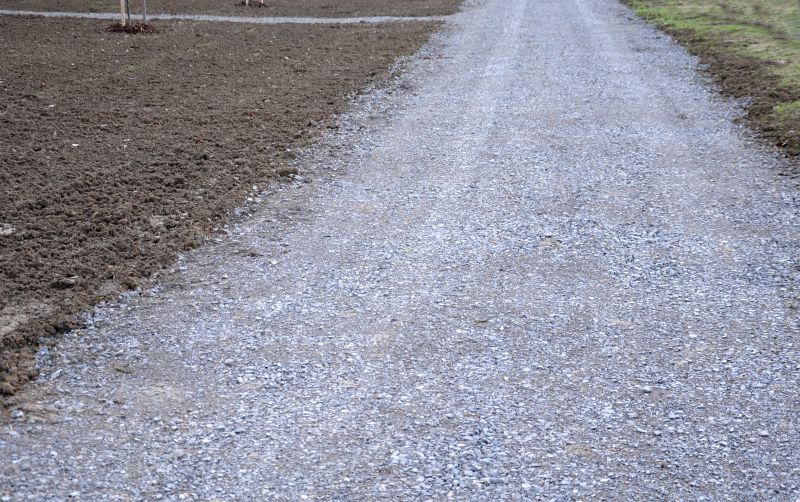
Driveway Grading in Houston, TX
Driveway grading services involve shaping and leveling the surface of a driveway to ensure proper drainage and stability. This process typically includes assessing the existing slope, removing any uneven spots, and adding or redistributing soil or gravel as needed to achieve a smooth, even surface. Homeowners often request driveway grading for new installations, to repair settling or erosion issues, or to prepare the area for resurfacing projects. Proper grading helps prevent water pooling, reduces the risk of damage from standing water, and extends the lifespan of the driveway.
Before requesting driveway grading, property owners should consider the current condition of the driveway, including any existing cracks, dips, or drainage problems. It’s also helpful to determine the desired slope for effective runoff and to identify any obstructions or features that might affect grading plans. Clear communication about the driveway’s size, material, and existing issues can help ensure the project meets expectations and provides a durable, functional surface.
Many property owners in Houston, TX look into Driveway Grading for repairs, replacements, upgrades, and appearance-related improvements.
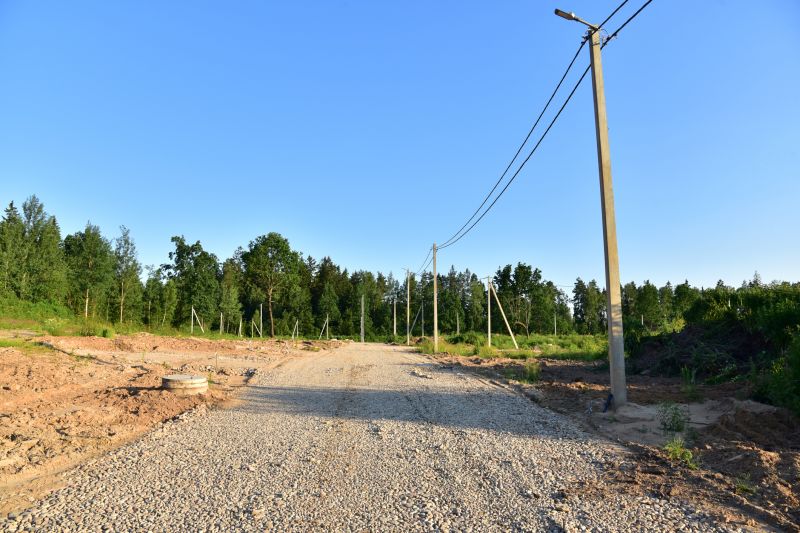
Ensuring Proper Drainage
Driveway grading helps prevent water pooling and reduces erosion around houston properties.
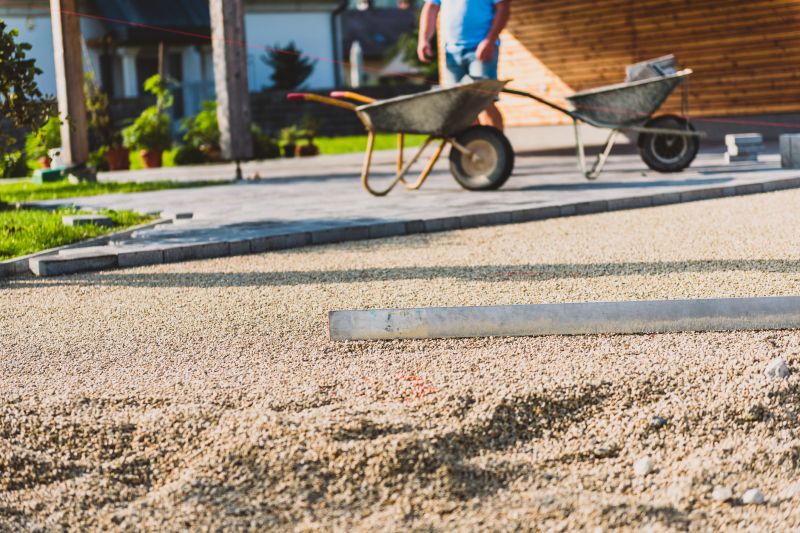
Enhancing Property Safety
A well-graded driveway provides a stable surface that minimizes slipping and vehicle damage.
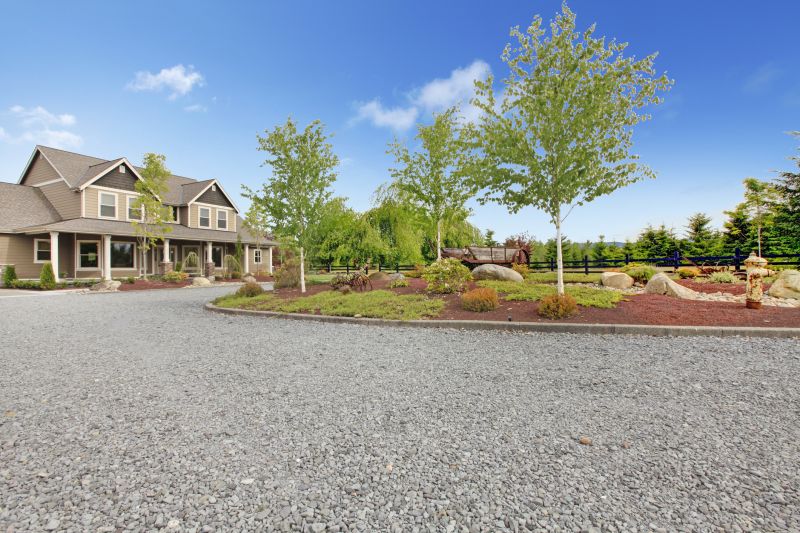
Maintaining Driveway Integrity
Regular grading preserves the driveway's shape and extends its lifespan in the houston climate.
Driveway Grading in Houston, TX

Driveway grading services involve shaping and leveling the surface of a driveway to ensure proper drainage and stability. This process typically includes assessing the existing slope, removing any uneven spots, and adding or redistributing soil or gravel as needed to achieve a smooth, even surface. Homeowners often request driveway grading for new installations, to repair settling or erosion issues, or to prepare the area for resurfacing projects. Proper grading helps prevent water pooling, reduces the risk of damage from standing water, and extends the lifespan of the driveway.
Before requesting driveway grading, property owners should consider the current condition of the driveway, including any existing cracks, dips, or drainage problems. It’s also helpful to determine the desired slope for effective runoff and to identify any obstructions or features that might affect grading plans. Clear communication about the driveway’s size, material, and existing issues can help ensure the project meets expectations and provides a durable, functional surface.
Many property owners in Houston, TX look into Driveway Grading for repairs, replacements, upgrades, and appearance-related improvements.
Common Driveway Grading Jobs
Driveway grading services help create a smooth, level surface for parking and access.
Residential driveway grading improves drainage and prevents water pooling around the property.
Commercial driveway grading ensures safe, even surfaces for customer and employee parking areas.
Driveway repair and regrading address uneven surfaces caused by settling or erosion.
Drainage correction directs water away from driveways to reduce damage and maintain stability.
Driveway resurfacing preparation involves grading to prepare the surface for sealcoating or new pavement.
Driveway Grading Questions
What is driveway grading? Driveway grading involves leveling and shaping the surface to ensure proper drainage and stability.
Why is driveway grading important? Proper grading prevents water pooling, reduces erosion, and extends the lifespan of the driveway.
What types of driveway surfaces can be graded? Gravel, asphalt, and concrete driveways can all benefit from grading to improve their condition.
When should driveway grading be considered? Grading is recommended when there are signs of uneven surfaces, water runoff issues, or after significant soil movement.
Request Driveway Grading in Houston, TX
Use the quote form on this page to share the basics of your project and request more information for the type of work you need.